
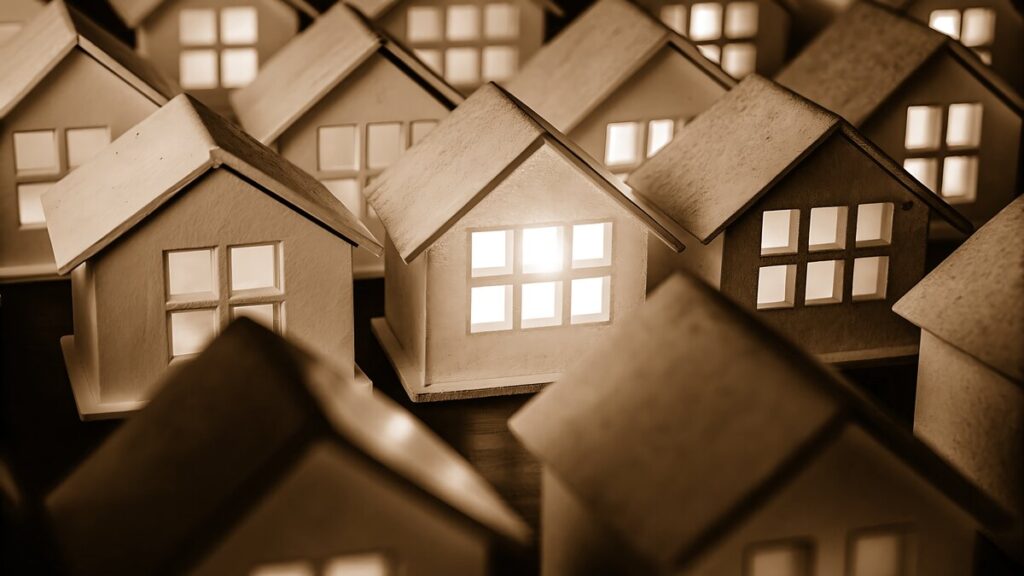
Lee Heights is a neighborhood that feels like home from the moment you set foot on its tree-lined streets. Perched on a rise between Old Dominion Drive and Lee Highway (now Langston Boulevard), it’s a community with deep roots and a strong sense of belonging. Let’s journey through the fascinating history and heritage of Lee Heights, exploring how this corner of Arlington grew from rural farmland to an inviting and vibrant place to live.
The Early Days: Farms, Forests, and Founders
Before Lee Heights started to take shape as a suburban neighborhood, the land was dominated by woods and farmlands. Its hills were part of the greater estate once owned by the Lee family—most famously, Civil War general Robert E. Lee’s family, among the oldest in Virginia. While the Lees themselves didn’t live directly in the neighborhood, the area’s identity has long been tied to their legacy as large landowners in what became Arlington.
In the 19th century, the land was dotted with farms and modest homesteads. Country lanes, some tracing today’s Vacation Lane and Lorcom Lane, wound through the rolling terrain. The highest point in the area, still marked by North Upland Street, looked out over what was then countryside stretching toward Washington, DC.
Naming Lee Heights: Roots in Legacy
The name “Lee Heights” reflects both the area’s natural elevation and its association with the Lee family. In the postwar 20th century, as Arlington began to grow and subdivide, land developers frequently adopted names referencing local history and prominent families to market residential communities. Thus, “Lee Heights” was born—evoking not only the name but the neighborhood’s beautiful hilltop vistas.
The Arrival of Suburbia: 1920s to 1940s
Development began in earnest in the 1920s and 1930s, when Washingtonians seeking fresh air and an easy commute found their way to Arlington. Streets like 25th Street North and North Vernon Street began to see construction of classic brick Colonial and Cape Cod-style homes, many of which stand today.
The neighborhood’s layout was shaped by early suburbia: broad, curving avenues like North Woodstock Street welcomed new families with a promise of parks and community. During World War II, with the Pentagon’s completion and growth of the federal government, Lee Heights’ population boomed as workers sought homes near the capital.
Community Pillars: Churches, Parks, and Schools
Lee Heights is not just about homes; it’s about the institutions that bring neighbors together. A cornerstone is Lee Heights Park, nestled at North Woodstock and 26th Street North—a perfect spot for picnics, children’s play, and quiet reflection. The park’s playground, shaded by mature trees, feels like a community living room and is cherished by generations of families.
Just north, the intersection of Lee Highway and Old Dominion Drive is home to the Lee Heights Shops—a beloved cluster of local businesses. With institutions like the venerable Pastries by Randolph, Arrowine & Cheese, and Crisp & Juicy, this corner has been serving the community with warmth and flavor for decades.
Faith has also played a key role in shaping Lee Heights. The vibrant Little Falls Presbyterian Church, at Little Falls and 24th Road North, has been a gathering spot since the 1940s. It stands today not just as a house of worship but a hub for neighborhood events and social gatherings.
Education and Lifelong Learning
Lee Heights has long been shaped by the promise of excellent public schools, drawing families into the neighborhood. Taylor Elementary (a short hop away on North Stuart Street) and Dorothy Hamm Middle School (formerly Stratford Junior High) are fixtures in the life of Lee Heights. Dorothy Hamm occupies a building with its own historical significance—it was the site of Virginia’s first public school desegregation, a milestone in 1959 that forever changed local and state history.
Milestones and Memories: Evolving Through the Decades
The decades following World War II brought waves of change to Lee Heights, echoing America’s own story. Through the suburban boom of the 1950s and ’60s, the neighborhood matured. Yards filled with the laughter of baby boomers, while front porches fostered close-knit connections.
- In the 1970s and 1980s, Lee Heights benefited from Arlington’s smart-growth strategies. New homeowners restored older homes, giving new life to classic architecture while upholding the area’s charm.
- Recent years have brought a new spirit of diversity and vibrancy, as families of many backgrounds settle here. Renovations and thoughtfully designed new homes blend seamlessly with originals, preserving the cohesive feel of the streetscape.
Enduring Landmarks: What Makes Lee Heights Special
Certain features define the spirit of Lee Heights:
- Lee Heights Park: Not just a recreational space, but a historic meeting ground for everything from summer concerts to community picnics.
- Lee Heights Shops: More than storefronts, these are gathering spots where neighbors cross paths and share conversation over fresh pastries or a cup of locally-roasted coffee.
- Dorothy Hamm Middle School: Not only a place for learning, but a living reminder of the struggle for civil rights and educational equality in Arlington.
- The Streets Themselves: Winding and hilly, with names like Vacation Lane, Nelly Custis Drive, and North Upland Street, each with its unique history and personality.
The Spirit of Lee Heights: A Living Heritage
What truly sets Lee Heights apart, and gives it a sense of living history, is the warmth of its community. Block parties, Halloween parades, and informal gatherings in Lee Heights Park knit neighbors into a tapestry of connection. Whether it’s a family whose roots go back generations, or newcomers drawn by excellent schools and the neighborhood’s charm, everyone finds a way to make Lee Heights their own.
Residents value the neighborhood’s convenient location—ten minutes from downtown DC, but with quiet streets and a small-town atmosphere. Tree canopies arch over sidewalks, and it’s not uncommon to see friends chatting on porches or children biking to school. The physical landscape, shaped over a century, cradles an evolving community spirit that remains as welcoming now as ever.
A Neighborhood That Honors Its Past and Looks to the Future
Lee Heights is more than a place; it's a living connection to Arlington’s layered history, offering the best of both tradition and progress. Whether you’re savoring a pastry at a local shop, enjoying a stroll through leafy parks, or reflecting on the site of historic milestones, Lee Heights invites you to be a part of its unfolding story.
In Lee Heights, every day feels like a page out of a beloved hometown’s story—one with deep roots, welcoming arms, and a future as bright as its cherished past.